Prams and Pushchairs: A Comprehensive Guide for New Parents
Welcoming a brand-new baby into the household brings a whirlwind of excitement and duties. Among the essential items that brand-new moms and dads need to think about is the choice in between a pram and a pushchair. Both serve the purpose of transferring babies, but they come with unique features, advantages, and considerations. This detailed guide will check out the distinctions between prams and pushchairs, supply a comprehensive comparison, and answer often asked concerns to assist parents make a notified decision.
Comprehending Prams and Pushchairs
Prams
Prams, or baby carriages, are designed for newborns and extremely young babies. They usually include a flat, totally reclining seat that enables the baby to lie down easily. Pushchairs And Prams include a deep, padded bassinet that offers a comfortable environment for the baby to rest.
Pushchairs
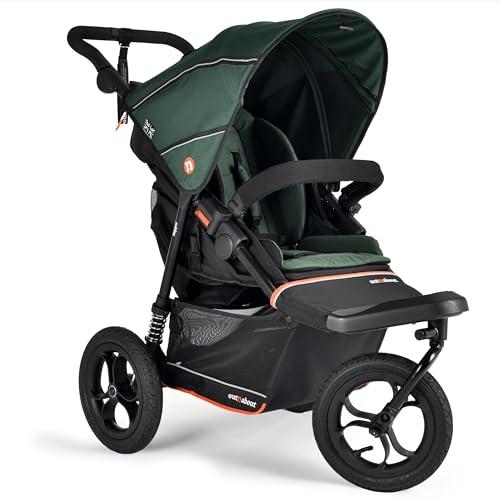
Pushchairs, likewise called strollers, are more flexible and ideal for older infants and young children. They typically have a seat that can be adjusted to various reclining positions however is not entirely flat. Pushchairs typically feature a more upright seating position, making them ideal for permitting children to stay up and explore their environments.
Secret Differences Between Prams and Pushchairs
| Feature | Prams | Pushchairs |
|---|---|---|
| Style | Completely reclining seat | Adjustable reclining seat |
| Age Suitability | Newborns to around 6 months | From 6 months onward |
| Weight | Generally heavier | Usually lighter |
| Mobility | Bulkier and less portable | More compact and much easier to fold |
| Accessories | Often consist of a carrycot | Typically featured a tray, cup holder, and so on. |
| Surface Compatibility | Developed for smooth surface areas | Ideal for different terrains |
| Security Features | May include a five-point harness | Frequently equipped with extra security functions, like brakes |
Benefits of Prams
- Convenience for Newborns: The flat, reclining style offers a safe and comfortable space for very young babies to rest, promoting healthy back development.
- Aesthetic Appeal: Prams often include a traditional and classy style, making them a stylish option for new moms and dads.
- Defense from the Elements: Many prams are geared up with hoods and weather condition covers that guard babies from rain, sun, and wind.
- Quality Materials: Prams are usually made from sturdy materials that use durability, ensuring they can withstand the wear and tear of day-to-day usage.
Benefits of Pushchairs
- Flexibility: Pushchairs are developed for a wider age range, making them appropriate for growing kids. They are adaptable and can often accommodate various seating positions.
- Light-weight and Portable: Most pushchairs are more lightweight and simpler to maneuver, making them ideal for metropolitan environments and public transportation.
- Convenience: Pushchairs often have practical storage baskets and pockets for simple access to baby fundamentals and personal items.
- Easier Folding Mechanisms: Many pushchairs come with one-handed folding mechanisms, enabling parents to collapse them easily for transport or storage.
Picking the Right Option: Factors to Consider
When deciding between a pram and a pushchair, a number of factors enter play:
- Lifestyle: Consider your day-to-day regimen. If you walk regularly on smooth pavements, a pram might be perfect. Nevertheless, if you're often on the go or using public transport, a lightweight pushchair could be preferable.
- Area and Storage: Evaluate your living circumstance. If space is limited, a compact pushchair may be the much better choice.
- Spending plan: Prams can frequently be more pricey due to their specialized design. Consider your spending plan and whether it enables either option.
- Sturdiness: Think about for how long you prepare to use the product. Pushchairs can accommodate children who are older, potentially offering more worth for cash in time.
FAQs About Prams and Pushchairs
1. Can I utilize a pushchair for a newborn?
While the majority of pushchairs appropriate for babies from around 6 months, some models have a totally reclining seat or a compatible carrycot option, enabling moms and dads to utilize them from birth.
2. Are prams much heavier than pushchairs?
Generally, prams are heavier due to their more robust building and design for newborns, while pushchairs are normally developed to be lighter and more portable.
3. How do I preserve my pram or pushchair?
Regular cleansing of the materials, examining the wheels, and inspecting the frame for any damage are necessary maintenance practices. Constantly refer to the maker's guidelines for particular care guidelines.
4. Can I take my pram or pushchair onto public transportation?
A lot of public transport systems allow prams and pushchairs, but it's constantly best to inspect local regulations. Light-weight pushchairs are frequently chosen due to their ease of folding and maneuverability.
5. What security functions should I try to find?
Look for a durable frame, a five-point harness, a safe and secure braking system, and additional security functions like reflective trim for visibility.
Selecting between a pram and a pushchair is a considerable choice for brand-new moms and dads. Comprehending the essential distinctions, benefits, and considerations will empower moms and dads to make the very best choice for their lifestyle and their baby's needs. With cautious thought and planning, the best pram or pushchair can make getaways with the child satisfying and worry-free. Just like any purchase, it's vital to try different choices, speak with reviews, and seek recommendations to discover the perfect suitable for both the baby and the parent.